
What pleats actually do
A pleat is a fold of fabric stitched into the waistband at the front of the trouser. Below the waistband the fold is left free, so it can open when you need extra room — when you sit, bend or take a long stride — and close again when you stand. In other words, pleats are a functional detail: they add volume through the hip and upper thigh without making the waist bigger.
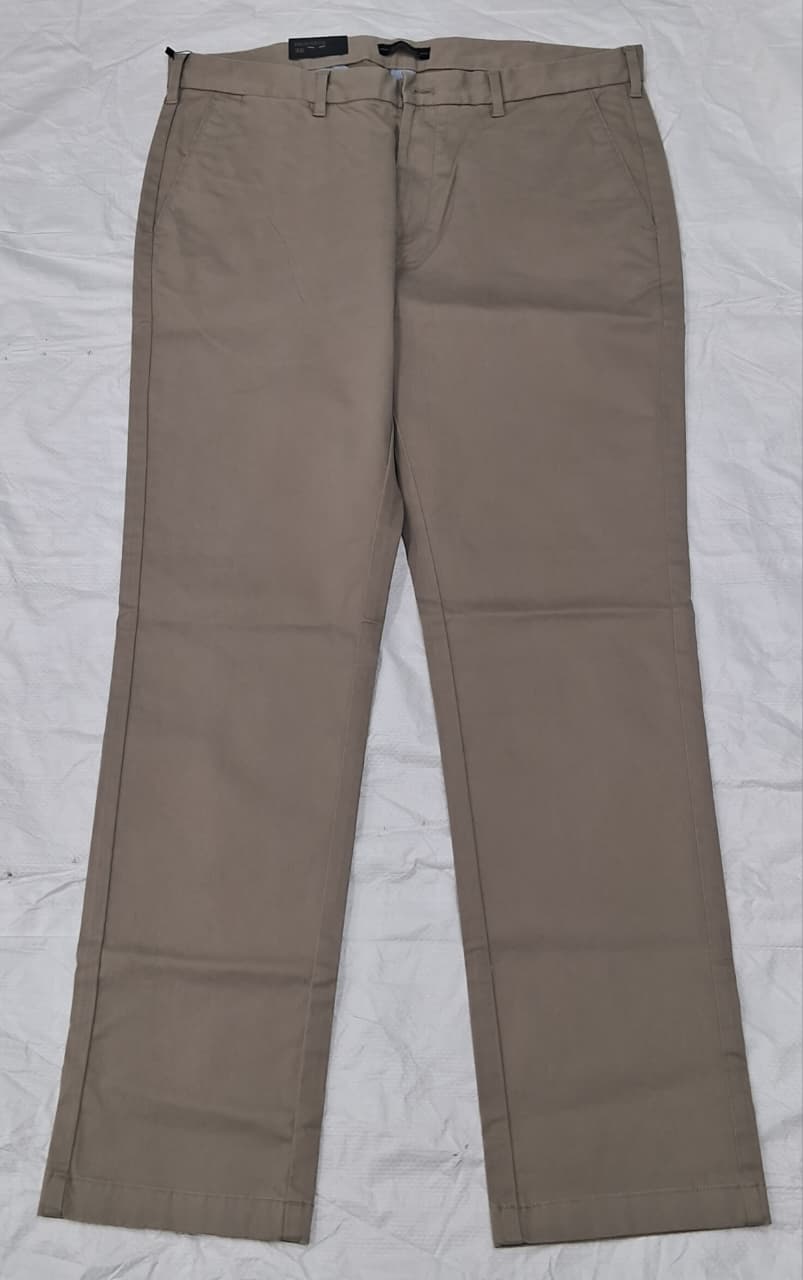
That extra room also changes how the trouser hangs. Pleated trousers usually have a fuller upper leg, which lets the fabric fall in a longer, softer drape down to the hem. Flat-front trousers have no folds; the front panel lies smooth from waistband to thigh, giving a cleaner and more streamlined surface.
Types of pleat
Single and double pleats
A single pleat on each side adds a modest amount of room and looks discreet. Double pleats — two folds on each side — add more volume and a more pronounced, traditional character. Double pleats suit wider-leg trousers; on a slim leg they have nowhere to go and tend to splay open.
Forward and reverse pleats
The direction of the fold matters. Forward pleats (sometimes called inward pleats) open towards the fly; they are often associated with traditional British tailoring and tend to sit flatter when standing. Reverse pleats (outward pleats) open towards the pockets and are common in Italian-influenced and ready-to-wear trousers. Both are perfectly correct; the difference is subtle and largely a matter of taste.
Box and deep pleats
Some contemporary designs use a single deep pleat or a box pleat for a deliberately fuller, relaxed silhouette. These lean towards fashion-forward styling rather than everyday office wear.
A well-fitted pleat lies closed when you stand. If the pleats pull open while you are standing still, the trousers are too tight at the hip — the pleats are being used up by your body rather than held in reserve for movement.
The case for flat-front
Flat-front trousers became the default in modern menswear because they suit the closer, cleaner cuts that dominate today's tailoring. Their advantages are easy to see:
- A smooth front panel that looks neat under a shorter jacket or with a tucked-in shirt.
- A natural partner for slim fit formal trousers and tapered legs.
- Less fabric at the waist, which some men find tidier with a lower rise.
- A contemporary, minimal look that works in most workplaces.
The trade-off is room. Flat fronts rely entirely on the cut through the seat and thigh for comfort, so fit has to be accurate. If they are tight, the front pockets pull open and horizontal creases form across the lap.
Pleats hold room in reserve. A flat front asks the cut to get the room exactly right.
Comparing the two
- Silhouette: pleated is fuller through the hip and thigh, with a softer drape; flat-front is cleaner and closer.
- Comfort when seated: pleated generally has the advantage, especially for long days.
- Formality: both can be formal. Pleats read classic and traditional; flat fronts read modern and minimal.
- Leg shape: pleats suit straight or wide legs; flat fronts suit slim, tapered and straight legs.
- Rise: pleats work best with a mid-to-high rise, where the folds have length to fall; flat fronts work at most rises.
Rise is the detail most often overlooked here. A pleat on a low-rise trouser is short and tends to flare outwards; on a higher rise it falls in a long, straight line. Our guide to trouser rise and proportion explains why.
Body shape and comfort
Larger thighs or seat
Pleated trousers are often the more comfortable choice, as they give room where it is needed without enlarging the waist.
Fuller midsection
A single pleat with a mid-to-high rise can look smoother than a flat front stretched across the hips. Choose a softer, well-draping cloth so the pleats lie flat.
Slim or lean builds
Flat fronts usually look most natural. If you want pleats, a single shallow pleat on a straight leg keeps the look balanced without adding bulk.
Hot, humid days
The extra ease in a pleated trouser lets air move around the leg, which many men appreciate through a humid summer.
Styling each front
Pleated trousers
Pleats look their best with the shirt tucked in and the waistband on show, so the folds are visible. A belt or side adjusters both work. Pair with a longer jacket or a relaxed knit, and choose shoes with some substance — Derbies, brogues or chunkier loafers — to balance the fuller leg. Turn-ups at the hem are a natural companion; see trouser length and break for how they affect length.
Flat-front trousers
Flat fronts are flexible. Wear them with a fitted shirt and a slim belt for the office, or with a fine knit polo for a smart-casual look. Sleeker shoes such as Oxfords and slim loafers echo their clean line. The Classic Form and Contemporary Trousers rooms show how each front fits into a wider style.
How to choose
- Decide your preferred leg shape first; it narrows the choice immediately.
- Check the rise — pleats need a mid or high rise to fall properly.
- Stand still in front of a mirror: pleats should lie closed, flat fronts should lie smooth.
- Sit for a minute and notice whether you need the extra room pleats provide.
- Consider the shoes and jackets you already own and which front complements them.
Neither front is right or wrong — they simply suit different bodies, cuts and moods. A versatile wardrobe can easily include both. To keep exploring, read choosing formal trousers for office wear, or contact Options Mall in Vile Parle West, Mumbai, to talk through which details suit you.